Do you often find yourself numbingly looking at the excessive varieties of serums without having any idea which one is right for you? Then this blog will help you understand the types of serum suitable for your skin and needs.
An effective serum is the foundation of skincare, which keeps your skin hydrated in the sunny atmosphere of Australia. Including a specific type of serum in your face care routine can bring out wonderful results.
Not all serums are created equal. Each bottle is uniquely engineered to address a distinct dermal concern, making it essential to identify the purpose of each serum.
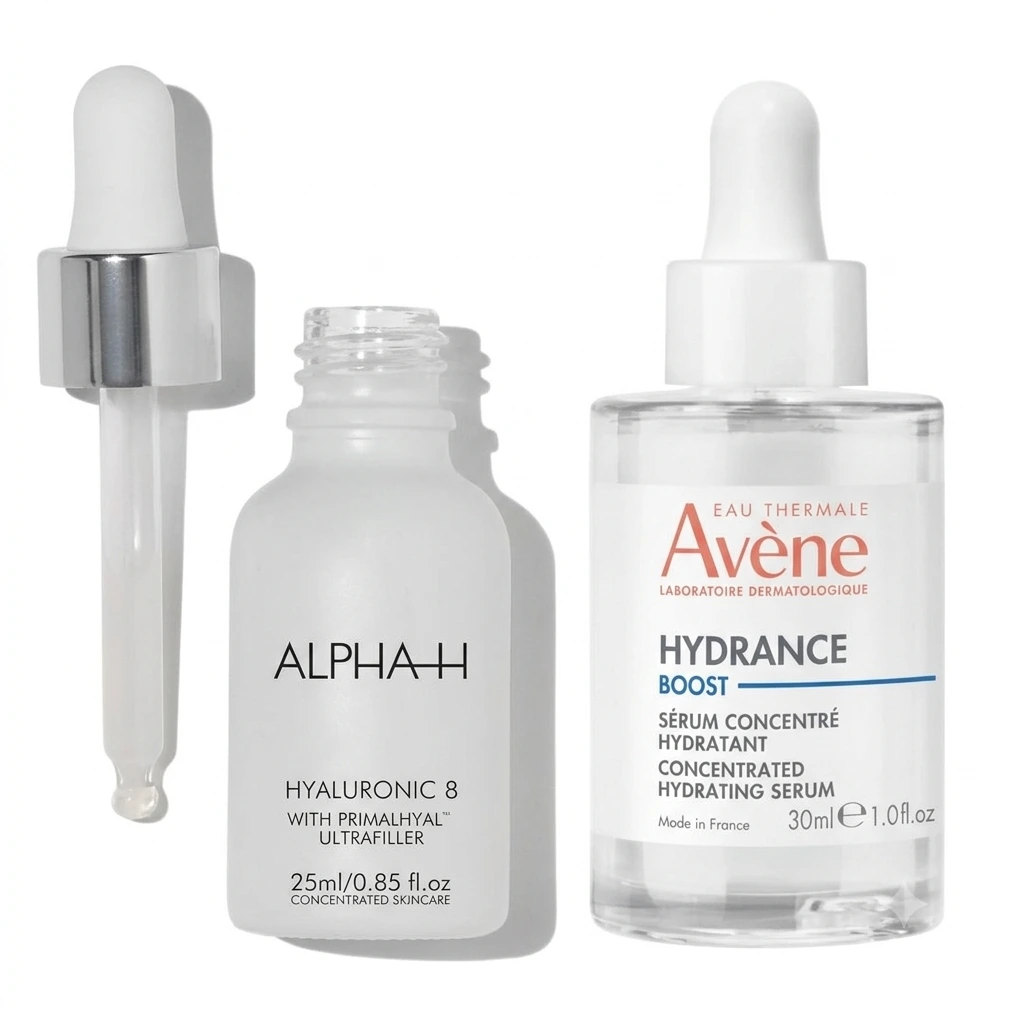
If your face feels tight, flaky, or lacks bounce, a moisture-binding fluid is non-negotiable. Look for formulas featuring hyaluronic acid, which holds up to 1,000 times its weight in water. This is widely considered the best serum for normal skin that needs a simple, clean moisture boost without heavy oils.
Recommendation: SVR, Avene, Alpha-H
To tackle loss of elasticity, crow’s feet, and deep expression lines, you need formulas that stimulate collagen synthesis. For daytime use, look for peptide blends that make the best morning serum for ageing skin, as they strengthen tissue without making skin sun-sensitive. For your evening routine, turn to vitamin A derivatives; a rich retinol is widely regarded as the best night serum for normal and mature skin undergoing cellular repair.
Recommendation: K-Secret, Dr. Althea, HARUHARU

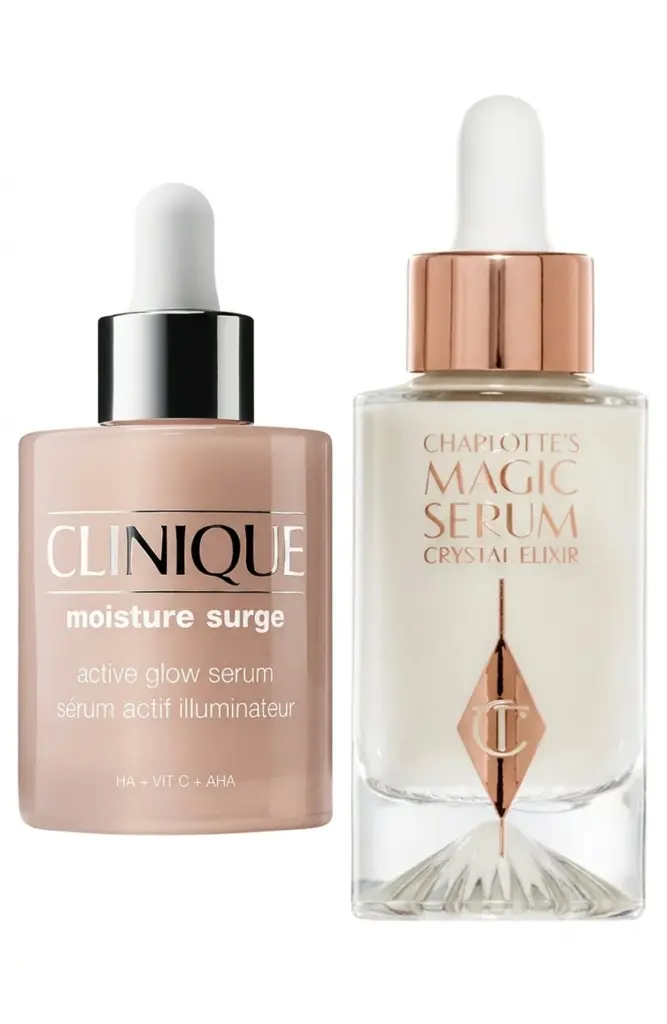
Daily exposure to environmental pollutants and UV radiation leaves the skin looking fatigued and uneven. Vitamin C acts as a shield against this oxidative stress while halting excess pigment production. This makes it an essential face serum for all skin types looking to erase dark patches and maintain a uniform, lit-from-within glow.
Recommendation: Charlotte Tilbury, Clinique, Ole Henriksen
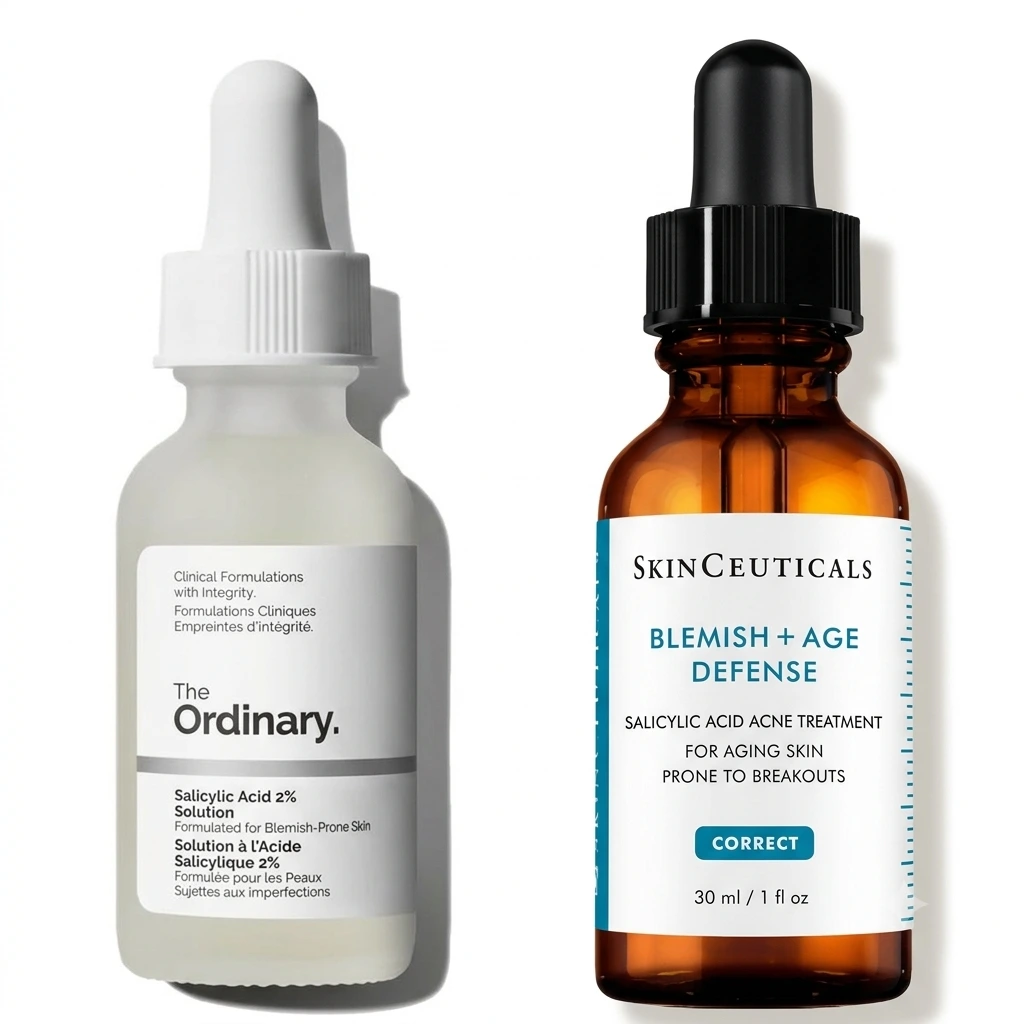
If you are constantly battling unexpected pimples, blackheads, or inflamed red bumps, a clarifying treatment is essential to keep your complexion clear. These specialised formulas typically leverage oil-soluble chemical exfoliants like Salicylic Acid (BHA) to deep-clean the inside of your pore walls, or Niacinamide to bring down angry redness. Choosing a targeted breakout serum helps regulate runaway oil production and sloughs off dead cells, making it the best face serum for all skin types prone to hormonal congestion or sudden flare-ups.
Recommendation: The Ordinary, SkinCeuticals
Choosing the correct formula depends on matching your primary skin concerns with the right active ingredients and textures. Use this quick reference guide to find your perfect match:
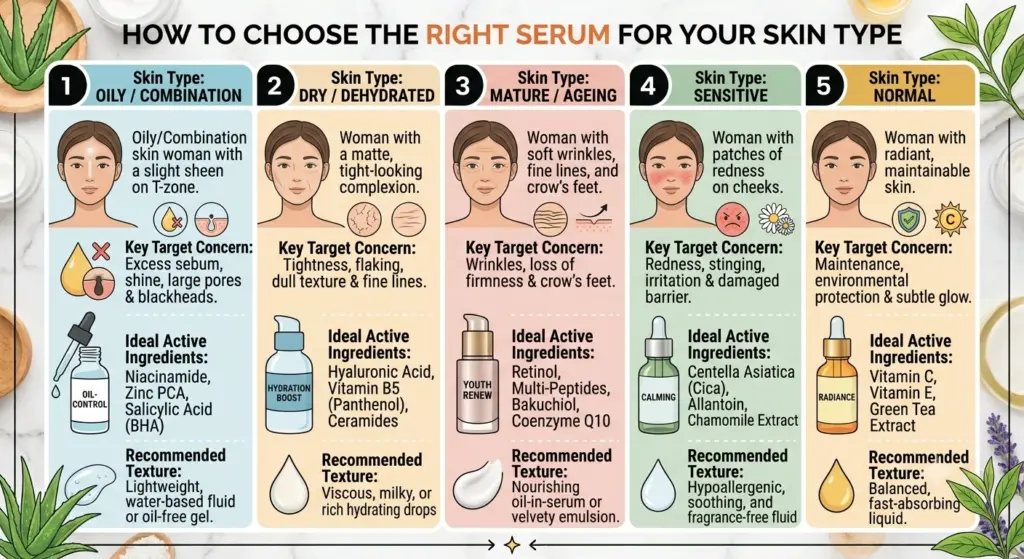
| Skin Type | Key Target Concern | Ideal Serum Active Ingredients | Recommended Texture |
|---|---|---|---|
| Oily / Combination | Excess sebum, shine, large pores & blackheads | Niacinamide, Zinc PCA, Salicylic Acid (BHA) | Lightweight, water-based fluid or oil-free gel |
| Dry / Dehydrated | Tightness, flaking, dull texture & fine lines | Hyaluronic Acid, Vitamin B5 (Panthenol), Ceramides | Viscous, milky, or rich hydrating drops |
| Mature / Ageing | Wrinkles, loss of firmness & crow’s feet | Retinol, Multi-Peptides, Bakuchiol, Coenzyme Q10 | Nourishing oil-in-serum or velvety emulsion |
| Sensitive | Redness, stinging, irritation & damaged barrier | Centella Asiatica (Cica), Allantoin, Chamomile Extract | Hypoallergenic, soothing, and fragrance-free fluid |
| Normal | Maintenance, environmental protection & subtle glow | Vitamin C, Vitamin E, Green Tea Extract | Balanced, fast-absorbing liquid |

To get the most out of your high-performance skincare without causing product pilling or irritation, follow the rule of thumb: apply from the thinnest (water-based) to the thickest (oil- or cream-based) consistency.
By introducing the right type of serum into your daily routine, you give your skin the exact concentrated nutrients it needs to repair and thrive. Whether your goal is protecting your complexion under the Australian sun with an antioxidant morning blend, plumping dehydration lines, or resetting your skin texture overnight, the key lies in selecting the right actives and applying them in the correct sequence. Be consistent with your daily application, listen to your skin’s changing needs, and enjoy the confidence that comes with a healthy, radiant, and deeply nourished complexion.
The main varieties include hydrating (hyaluronic acid), anti-ageing (retinol/peptides), brightening (Vitamin C), and exfoliating serums (AHA/BHA) aimed at texture correction.
A simple hyaluronic acid or a gentle niacinamide fluid is ideal for beginners, as they hydrate and soothe the skin barrier without causing purging or irritation.
Identify your primary skin concern: choose salicylic acid for oily breakouts, Vitamin C for dark spots, hyaluronic acid for dehydration, and retinol for wrinkles.
Yes, you can layer serums, but limit it to two per routine (e.g., Vitamin C in the morning and a best nighttime serum for ageing skin like retinol in the evening).
Always apply your formulas from the thinnest, most watery consistency up to the thickest, most viscous layer right before your final moisturiser.
Serums are lightweight, deep-penetrating liquids packed with concentrated active treatments, while moisturisers are thicker creams designed to seal the surface layer.
Absolutely. While male skin is slightly thicker and oilier, the underlying cellular mechanics respond beautifully to the exact same active ingredients.
While local shops cover basic care, specialised international formulas are best sourced via global cross-border e-commerce platforms like Ubuy {{COUNTRY}}.

Ubuy content team consist of various writers specializing in different niches. They write blogs about different topics ranging from science, human relationships to the latest technology to share their thoughts, ideas and knowledge with the world.

Get every Newsletter