For many, a morning cup of coffee is a ritual. But for the aspiring home barista, it is an art form. While owning one of the best home coffee machines is a fantastic start, the machine itself is only half the equation. To truly unlock the flavour potential hiding inside your beans, you need the best coffee machine accessories — tools that give you control over the variables that separate a mediocre cup from a genuinely great one.
Whether you are putting together a coffee machine accessories kit for the first time, upgrading an existing setup, or hunting for some specific best coffee machine accessories in Australia, this guide covers everything — from foundational grinders to advanced barista tools — so you can brew with confidence at every level.
There is a persistent myth that an expensive machine alone guarantees great coffee. In reality, the machine provides the pressure and heat — it is the accessories that provide the precision. The stock tamper, plastic jug, and pressurised basket that come bundled with most entry-level espresso machines are functional, but they are not designed for consistency.
Investing in quality home coffee setup tools or some best coffee machine accessories allows you to control the three critical variables of espresso brewing:
Master these three with the right barista accessories, and you will be pulling cafe-quality shots from your home machine.
Ask any professional barista or specialty coffee roaster what the most important piece of coffee equipment is, and they will not say the machine. They will say the grinder. Freshly ground coffee is non-negotiable for flavour. Ground coffee begins to oxidise and lose its aromatic compounds within minutes, meaning pre-ground coffee — no matter how premium the bag claims to be — has already lost a significant portion of its potential.
Best Electric Coffee Grinder for Enthusiasts: The Baratza Encore black coffee grinder remains a benchmark for entry-level burr grinders and can be considered one of the best coffee machine accessories. Its 40-step grind adjustment and conical burrs produce a consistent particle size suitable for everything from French press to espresso. For those ready to step up, the DF54 coffee grinder has become a rapidly respected name in the community, offering flat burr precision at a semi-prosumer price point.
Best Budget Coffee Grinder: The OXO Brew Conical Burr Coffee Grinder and the Bodum Bistro Electric Burr Coffee Grinder both represent exceptional value. The OXO Brew’s one-touch timer and integrated scale-ready design make it especially practical, while the Bodum Bistro’s borosilicate glass ground container reduces static — a common frustration with budget grinders.
Best Coffee Grinder for Drip Coffee: Pour-over and drip methods require a consistent medium-to-coarse grind rather than the ultra-fine particle size needed for espresso. The OXO Brew excels here, as do the Baratza Encore and several Fellow-branded options. Prioritise grind uniformity over maximum fineness for filter brewing.
The best manual coffee grinder is not a compromise — it is a different philosophy. High-quality hand grinders from brands like 1Zpresso and Timemore use the same grade of conical burrs found in grinders costing several times more. They are also the ideal portable coffee grinder for travel, camping, or the office. The slower pace of hand grinding is, for many, part of the morning ritual.
Not every home has bench space for a full-size grinder. A small coffee grinder or mini coffee grinder — including popular options from Amzchef — can perform admirably for single-serve brewing. They are particularly well-suited to Aeropress, Moka pot, and single-cup drip machines. Just note that most compact grinders use blades rather than burr mechanisms, which produces less consistent particle sizes.
Pro Tip: If you are unsure how to clean a coffee grinder, the short answer is: regularly. That’s right coffee grinders are some of the best coffee machine accessories, but they still require consistent care to perform. Stale coffee oils left inside the burrs will turn rancid and corrupt every future cup. The cleaning process is covered in detail in the Maintenance section below.
Not every coffee lover needs a professional distribution tool on day one. Use this table to identify your current level and the home coffee machine accessories that will make the most meaningful difference to your cup right now.
| Your Level | Must-Have Accessories |
| Beginner | Burr grinder + milk frother + reusable filter |
| Intermediate | Precision tamper + digital scale + airtight storage canister |
| Pro | Full barista kit + WDT tool + bottomless portafilter + distribution tool |
This table covers an impressive combination of some of the best coffee machine accessories as per your level of coffee enthusiasm. How much you relish a cup of coffee on a daily basis.
If you own a pump-driven espresso machine — whether that is a Breville, DeLonghi, Smeg, Rocket, or Ninja coffee machine — these coffee machine tools form the core of a capable home setup. Each one addresses a specific variable in the extraction process.
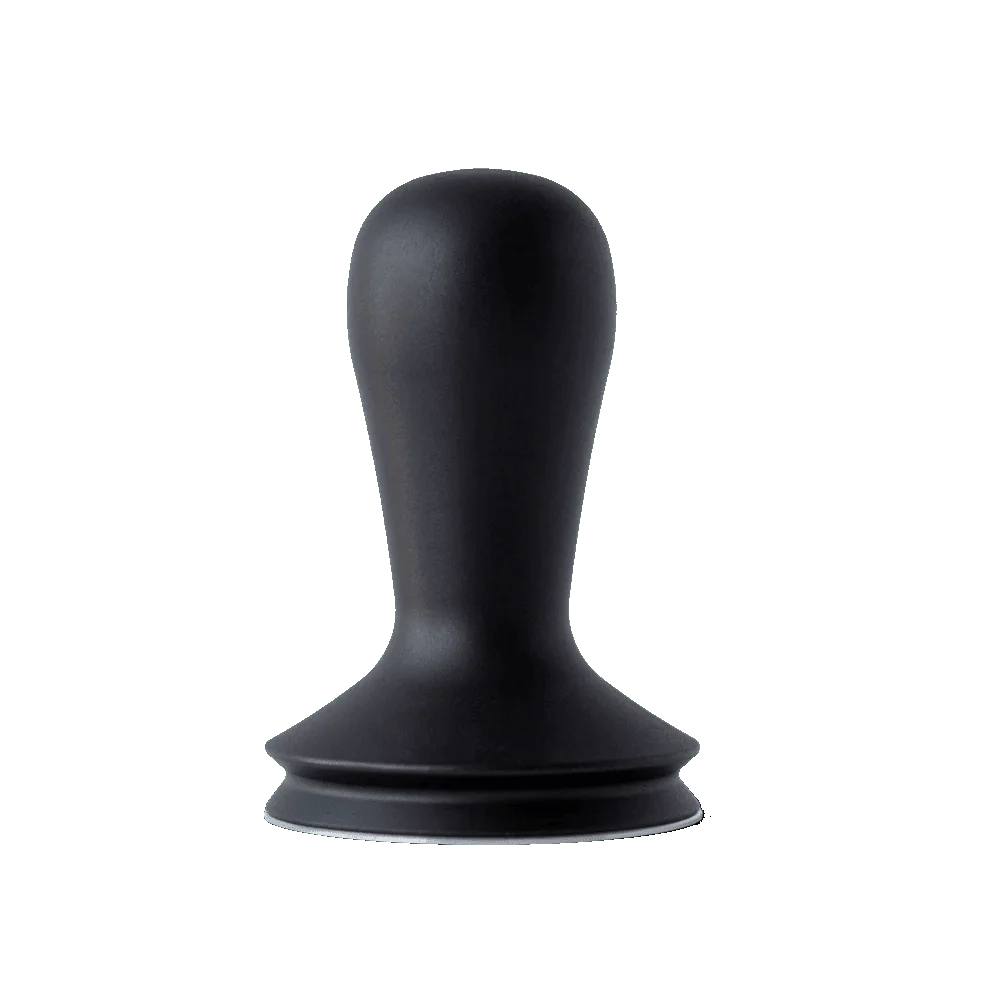
A tamper compresses your ground coffee into a flat, even ‘puck’ inside the portafilter basket. The plastic tampers bundled with most machines are typically a few millimetres smaller than the basket they are meant for, which creates an uneven edge and allows water to bypass the coffee bed — a phenomenon called channelling. This produces espresso that is simultaneously over- and under-extracted, resulting in bitterness and sourness in the same cup.
Upgrading to a heavy, flat-based stainless steel tamper — ideally one that matches your basket diameter exactly (51mm for most DeLonghi, 54mm for most Breville, 58mm for professional and Rocket machines) — is one of the highest-return investments in the home espresso toolkit. Self-levelling tampers, which automatically apply consistent pressure, are an excellent option for beginners building muscle memory.
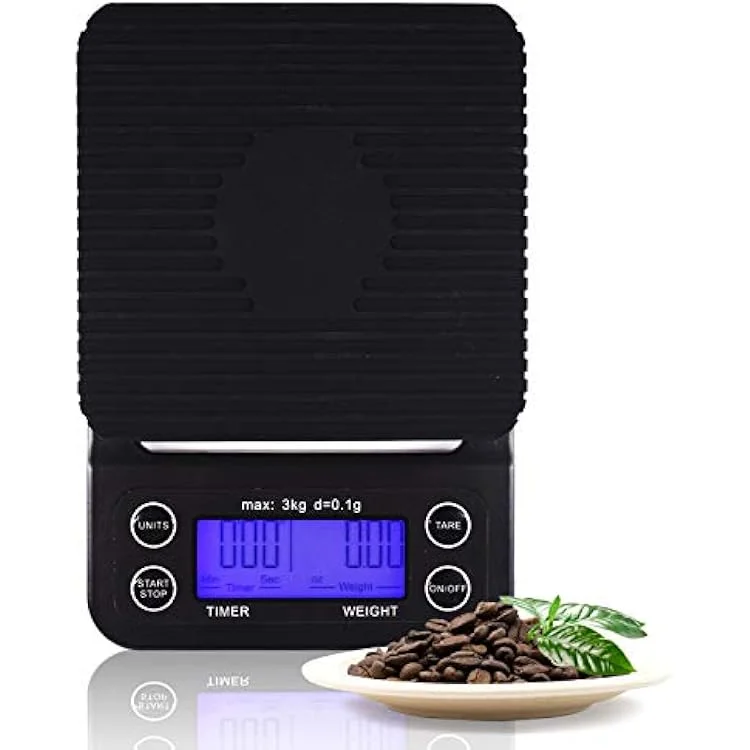
Consistency is the foundation of repeatable coffee. Without a scale, you are guessing your dose and your yield — two of the most critical variables in espresso. A scale that reads to 0.1g allows you to dial in a specific recipe (for example, 18g of coffee produces 36g of liquid espresso in 28–32 seconds) and replicate it exactly every morning. This is the single fastest way to improve your coffee at home after acquiring a good grinder.
Look for scales with a fast response time and a timer function. Several models marketed specifically as espresso scales — from brands like Acaia, Felicita, and Timemore — fit neatly on the drip tray and measure the yield as it flows.
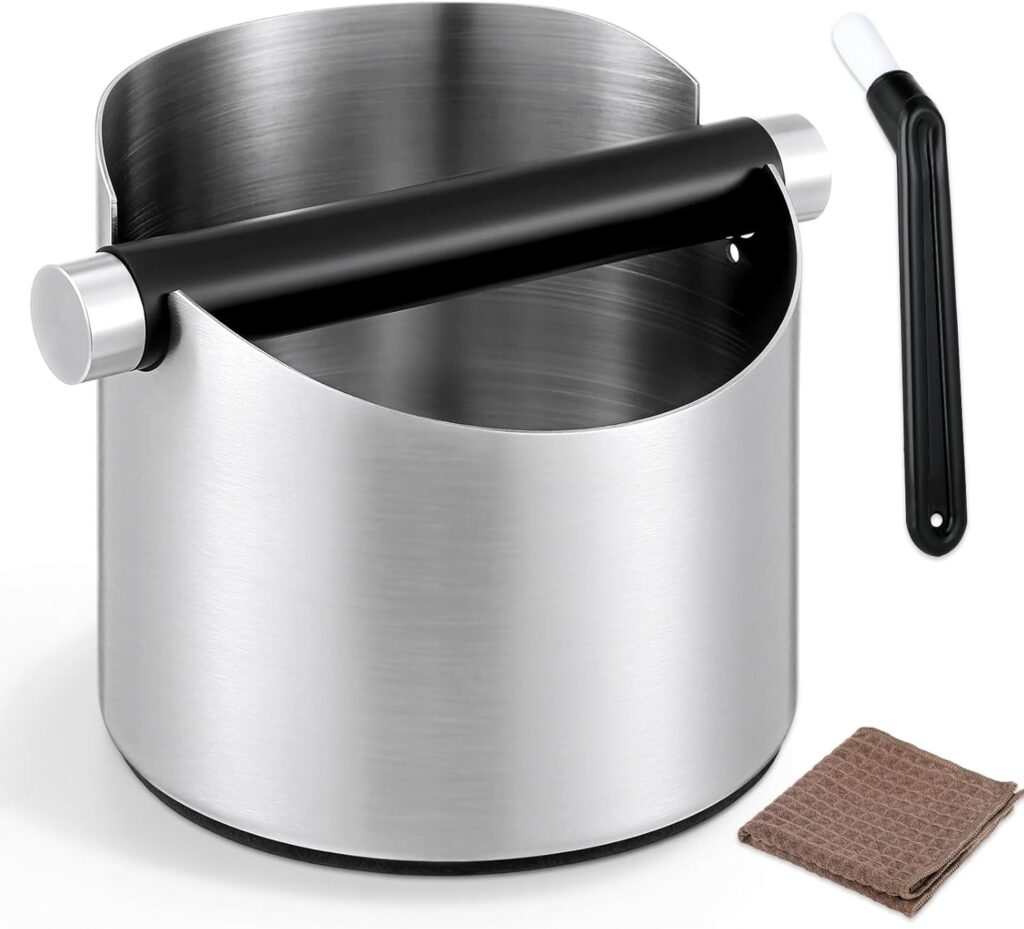
A knock box provides a clean, hygienic way to dispose of used espresso pucks without smearing spent coffee across your sink or bin. A firm rubber bar across the centre of the box is designed to take repeated impacts without damaging your portafilter making it one of the best coffee machine accessories. A silicone tamping mat placed next to the machine protects your benchtop and gives you a stable, non-slip surface when tamping. Both are standard items in any complete coffee machine accessories kit.
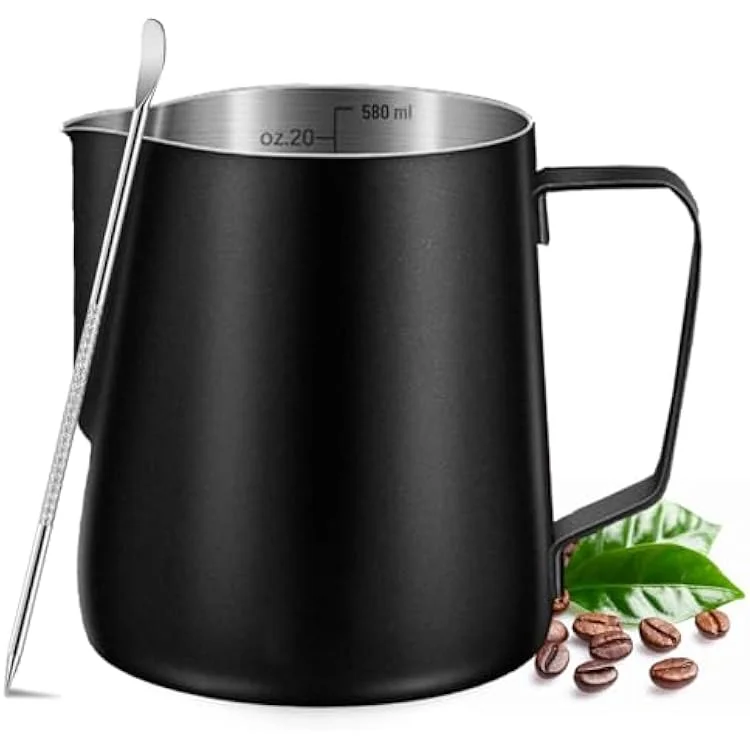
For lattes, flat whites, and cappuccinos, the quality and shape of your steaming pitcher matters more than most people realise. Stainless steel pitchers with a precise spout are designed to allow latte art. The internal volume should match your drink size — a 350ml pitcher is ideal for a single cappuccino, while a 600ml pitcher suits larger lattes or two-drink preparations.
Brand-specific options exist for good reason. Breville coffee machine accessories include calibrated pitchers marked with temperature lines, while DeLonghi coffee machine accessories often include pitchers with thermometer clips to help you hit the ideal steaming temperature of 60–65°C without a thermometer.
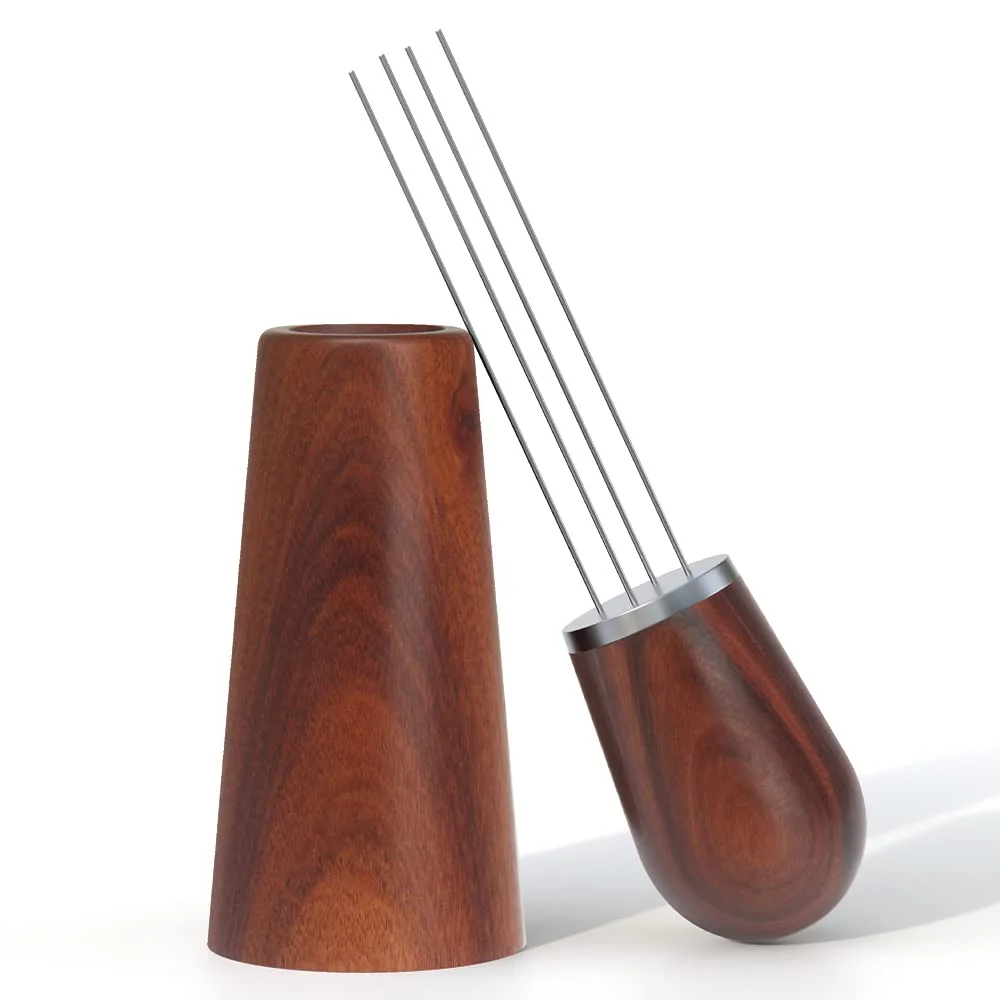
Clumping in freshly ground coffee is caused by static and humidity. A WDT tool — a small needle-tipped instrument used to stir and distribute grounds evenly inside the basket before tamping — breaks up these clumps and creates a homogeneous bed. The result is a more even extraction and a noticeably more balanced espresso. Professional baristas consider this an essential step; home brewers who add it to their routine are consistently impressed by the improvement.
When shopping for the best coffee machine accessories in Australia, compatibility is critical. A tamper or portafilter from a generic supplier that does not match your machine’s basket diameter will underperform regardless of its quality. Here is what to look for by brand:
Breville & Sage: Most models use 54mm baskets (Barista Express, Bambino Plus). The Barista Pro and Oracle Touch use 58mm. Breville coffee machine accessories include dose control funnels, non-pressurised precision baskets, and specific portafilter handles. Verify your model before purchasing.
DeLonghi: The Dedica range uses a narrow 51mm basket. The La Specialista and Dinamica Plus machines use 51mm and 58mm respectively. DeLonghi coffee machine accessories include precision tampers, IMS competition baskets, and adjustable milk frother attachments.
Ninja Coffee Machine: Ninja’s brew system uses a different paradigm to traditional espresso. Ninja coffee machine accessories centre on reusable permanent filters (eliminating paper waste), specialty brew baskets for concentrated coffee, and thermal carafes for keeping coffee hot without a warming plate that degrades flavour.
Smeg: Smeg coffee machine accessories lean into the brand’s retro aesthetic. Look for colour-matched tampers, vintage-styled milk jugs, and bean storage canisters in complementary tones. Function and form are equally important in a Smeg kitchen setup.
Rocket Espresso: Rocket coffee machine accessories are built for 58mm professional-grade portafilters. Premium wooden-handled tampers, bottomless portafilters for extraction diagnostics, and precision distribution tools complement these Italian-engineered machines.
A clean machine is a consistent machine. Equipment maintenance is not optional — coffee oils are hydrophobic and go rancid quickly, tainting every cup that follows. If you have already learned how to descale a Nespresso machine, you understand the impact of residue on flavour. The same principle applies to every component.
Cleaning your grinder is one of the most overlooked aspects of home barista maintenance. Residual oils left on the burrs will turn rancid and corrupt future cups with a stale, bitter undertone. Here is the correct process:
For espresso machines with a solenoid valve (most pump machines), backflushing with a blind basket and a small amount of Cafiza or Puly Caff cleaning powder removes built-up coffee oils from the group head and solenoid. This should be done weekly for regular home use and after every session in a commercial or high-volume setting. Daily rinsing of portafilter baskets in hot water removes surface residue without chemicals.
Upgrading your home coffee setup tools is a journey that requires companionship of best coffee machine accessories. The most impactful first step for almost every home brewer is a quality burr grinder. From there, a precision tamper and digital scale will transform your espresso consistency more than any machine upgrade could.
Whether you are comparing the Baratza Encore black coffee grinder against the OXO Brew, deciding between the DF54 and a portables manual grinder, or researching Breville, DeLonghi, or Rocket coffee machine accessories, the principles remain the same: precision, cleanliness, and fresh beans produce great coffee.
Ready to start building your setup? Explore our full range of kitchen coffee makers and accessories, or browse our guides to the best home coffee machines and how to descale a Nespresso machine for more expert advice tailored to home brewers.
At a minimum, you need a burr grinder, a tamper (for espresso machines), a stainless steel milk jug, and a cleaning brush. As your skills develop, a digital scale, a WDT tool, and an airtight storage container become equally important. Espresso machine owners should also add a non-pressurised basket and a dosing funnel to their kit.
Yes — unequivocally. Ground coffee begins oxidising and losing volatile aromatic compounds within 15–30 minutes of being ground. Pre-ground coffee from a supermarket bag has already lost the majority of its flavour potential. Grinding fresh immediately before brewing is, by a wide margin, the single most impactful upgrade any home brewer can make.
A tamper compresses loose coffee grounds into a firm, level ‘puck’ inside the portafilter basket. This uniform density forces hot pressurised water to flow evenly through every gram of coffee, ensuring consistent extraction. An uneven or poorly tamped puck leads to ‘channelling’ — where water finds a path of least resistance, producing a bitter, sour, or watery espresso.
Start with these four fundamentals: (1) Grind fresh using a quality burr grinder. (2) Use filtered water — tap water with excess chlorine or minerals will interfere with flavour. (3) Weigh your dose and yield with a digital scale to hit a repeatable recipe. (4) Source freshly roasted beans from a local roastery and use them within 2–4 weeks of the roast date.
Absolutely. The espresso machine provides the pressure; the accessories provide the precision. A quality tamper, scale, and grinder will have a more tangible impact on your cup quality than upgrading your machine. Most accessories are also a one-time investment that will outlast several machines.
Professional baristas rely on high-end flat or conical burr grinders, precision scales (often reading to 0.1g), calibrated tampers, WDT (Weiss Distribution Technique) tools to break up clumps before tamping, distribution tools to level the bed evenly, bottomless portafilters for diagnosing extraction, and milk pitchers with a thermometer for accurate steaming.

Ubuy content team consist of various writers specializing in different niches. They write blogs about different topics ranging from science, human relationships to the latest technology to share their thoughts, ideas and knowledge with the world.

Get every Newsletter